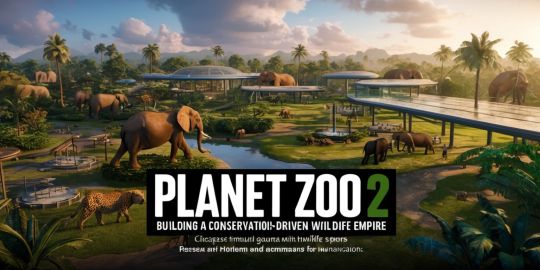
Planet Zoo 2 builds on the original’s strengths with confidence, leaning into the idea that a zoo can be more than a display of impressive animals. It becomes a living system of care, planning, habitat design, and careful financial choices, all while asking you to think about species preservation in a way that feels meaningful. The game still delivers the thoughtful management loop fans expect, but it also widens the scope with new habitat types, deeper customization, and more ways to connect your park to conservation work. What is most striking is how effortlessly it blends creative freedom with practical responsibility, so every enclosure, staff schedule, and guest-facing feature carries a purpose beyond appearance.
Building a Zoo That Feels Alive
At its core, Planet Zoo 2 is still about constructing spaces where animals can thrive and visitors can enjoy the experience. The process of placing habitats, shaping routes, assigning staff, and balancing guest comfort remains familiar to anyone who spent time with the first game. That familiarity is useful because it lets the sequel focus on enhancement instead of a complete overhaul. You do not need to relearn the entire system to get started, yet the game gives you more tools if you’re aiming to move well past the fundamentals. The result is a management sim that feels approachable at first, then steadily reveals its depth as your zoo grows and each decision begins to affect several connected systems at once.
A Conservation Focus That Shapes Every Decision
One of the strongest ideas behind the sequel is its emphasis on conservation. Instead of treating animals purely as attractions, the game places greater weight on preservation and responsible management. Many of the species in the roster are linked to broader environmental concerns, which gives every breeding program or release effort a sense of purpose. Even the structure of progression reflects this philosophy, since not all animals are equally suited to being returned to the wild. The game encourages you to think beyond profit and aesthetics, asking how your zoo can support ecosystems and protect fragile species. That added purpose gives the experience emotional texture without making it sound like a lecture.
The Animal Roster Brings Constant Variety
With more than 130 species available, the game offers a large and varied selection of animals to study, house, and care for. The roster spans tiny exhibit creatures as well as larger animals that need extensive spaces and carefully tuned conditions. The diversity matters because it keeps the zoo feeling active and surprising as you expand. Each species arrives with its own requirements, behaviors, and compatibility concerns, which pushes you to think about habitat planning in specific ways rather than relying on generic layouts. The variety also makes discovery part of the fun. Even familiar zoo staples can be joined by less expected creatures, creating moments of novelty that keep the park from feeling repetitive.
Habitat Design Becomes More Precise
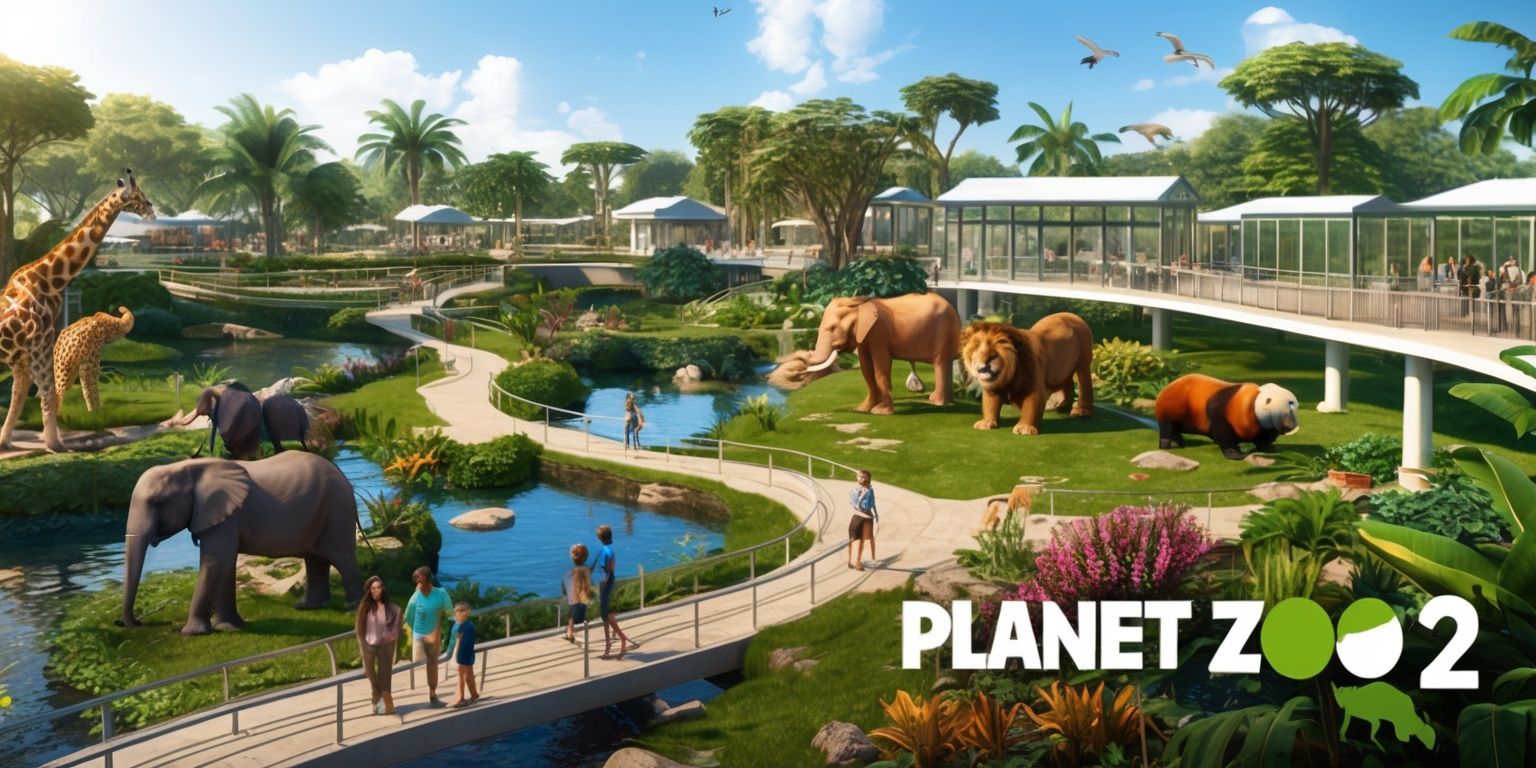
The building tools remain recognizable, but the new game gives you finer control over shape and function. The most noticeable improvement comes from the freedom to sculpt exhibits with more detail, especially when designing spaces for swimming or flying animals. Rather than relying only on broad modular pieces, you can adjust the form and feel of an enclosure with greater accuracy. That means a habitat can be practical without becoming sterile, and decorative choices do not have to interfere with functionality. This balance is one of the game’s best qualities. It lets players create spaces that look deliberate, while still supporting the needs of the animals inside them.
Glass Tunnels and Aquatic Spaces Change the Layout Language
The addition of aquariums and aviaries creates a major shift in how habitats can be designed. These spaces are not just cosmetic add-ons; they reshape the way you think about the entire zoo. Glass tunnels inside aquatic exhibits are especially striking, letting guests pass through a habitat as if they are inside it while the animals move around them. That same system also allows for highly specialized planning, since different species may need unique water temperatures or salinity levels. If you want to combine multiple aquatic environments in one park, you need to treat filtration as a genuine infrastructure concern. The result is a feature that feels both visually impressive and mechanically grounded.
Management Has Real Pressure Behind It
Unlike some theme-park builders that make money feel almost automatic, Planet Zoo 2 keeps the financial side challenging enough to matter. Ticket pricing, staff wages, animal upkeep, guest satisfaction, and upkeep all interact in ways that can expose weak planning quickly. This gives the game a stronger simulation identity, because success is tied to more than just placing attractions and watching visitors arrive. You need to keep a balanced flow of income while also protecting the well-being of your animals and employees. That pressure makes good decisions feel earned. Even small choices, such as how aggressively you set prices or how quickly you expand, can have long-term consequences for the viability of your zoo.
Staff Roles Add Layers to Daily Operations
The management structure is supported by a wide range of staff responsibilities, and that makes the park feel like a functioning workplace rather than a collection of decorative spaces. Different team members handle different parts of the operation, from animal care to guest services and maintenance. Coordinating those roles becomes increasingly important as the zoo grows, because every delay or oversight has ripple effects. Animals need regular attention, visitors expect smooth service, and facilities must stay in working order. The game gives you enough control to feel like a director of operations, but not so much that you can ignore the routine needs of the park. This creates a satisfying rhythm of oversight and response.
Guest Expectations Keep the Park Honest
Visitors are not simply walking wallets in this game. They react in believable ways to pricing, amenities, and overall value, which makes their presence feel important rather than decorative. If a zoo charges too much without offering enough in return, guests notice. If access, comfort, or variety is lacking, they respond accordingly. That behavioral logic helps the park feel grounded, because it mirrors how real visitors might judge a day out. It also makes design decisions more meaningful. Path placement, food locations, viewing angles, and rest areas all become part of a broader visitor experience. The game rewards you for understanding that a successful zoo is not only about animals, but about the path visitors follow throughout the space.
Interiors Are More Than Decorative Backgrounds
Another impressive expansion in the sequel is the way buildings now support fully modeled interiors. Instead of treating shops, kitchens, and staff areas as hidden utility rooms, the game lets them become active parts of the design. You can shape break rooms, fit kitchens to the needs of the park, and customize restaurants and gift shops with functional placement options that affect how they perform. Seating, shelf layout, and internal use matter in practical ways, which adds a surprisingly tactile layer to building. This makes the zoo feel more complete because the spaces that support the guests and staff now feel like real places. Even players who focus on exterior design benefit from having that internal detail available.
Workshop Sharing Keeps Creativity Flexible
The construction tools are powerful, but not every player will want to master every advanced feature from the ground up. That is where the Steam Workshop becomes extremely useful. It gives access to custom decorations, premade buildings, and detailed pieces created by other players who thrive on this kind of design work. This keeps the experience open to both experts and casual builders, since you can borrow ideas or entire structures when your own skills or time are limited. It also helps prolong the game’s lifespan by constantly refreshing the pool of available creations. Whether you’re looking for a subtle decorative touch or a fully built facility, the shared content ecosystem makes the zoo feel more collaborative and endlessly adaptable.
The Campaign Works as a Guided Playground
The campaign mode serves primarily as a structured way to learn the game, but it also has enough personality to be worth following. The tone is still playful and a little exaggerated, though it lands with slightly more control than before. That helps the story feel less cartoonish while still keeping the lighthearted identity that fans expect. Beneath the surface, the campaign includes a straightforward environmental plot involving a corporation that presents itself as responsible while placing natural systems at risk. It is not especially complex, but it gives the scenarios a purpose beyond simple tutorials. The missions also function as a source of inspiration, showing how different tools and systems can be combined in practical park layouts.
Wildlife Reserves Offer a Different Kind of Play
Beyond traditional zoo management, the game introduces wildlife reserves as a separate mode that changes how you interact with the landscape. Instead of placing enclosures, you work with broader biomes, introducing native species and increasing environmental quality through plant placement and ecological balance. The mode has a creative appeal because it lets you think at the scale of a living reserve rather than a curated exhibit. Driving through the area and photographing animals in their restored environment adds a pleasant sense of continuity with the main game. The management layer, however, is less intricate than it could be. The idea is strong, but the systems supporting it sometimes feel like they need more depth to match the ambition of the concept.
Nature Brushes and Water Tools Shape the World Differently
The new nature brushes are among the most satisfying tools in the game because they let you paint multiple layers of vegetation with a single action. Canopy and understory growth can be arranged more quickly, and custom brush creation opens the door to highly specific landscape styles. This makes the environment feel less like scenery and more like a designed habitat. The water tools are more limited by comparison, even though they offer decent control over texture, color, and transparency. Bodies of water still rely on fixed heights and container-like placement, which makes natural-looking rivers and dramatic elevation changes harder to achieve. That difference puts the spotlight on how varied the toolset can feel, even when some parts are more flexible than others.
Releases, Credits, and Long-Term Conservation Loops
The conservation economy adds another dimension to the game’s structure. Animals that are ready to move on can be photographed and documented, turning a moment of transition into a useful reward cycle. Those Conservation Credits become important for accessing higher-tier endangered species, which makes the release system feel connected to long-term progress rather than a side activity. There are also conservation projects that let you convert zoo resources into credits when you do not have suitable animals ready at the moment. This keeps the ecosystem of currencies and rewards active even during slower periods. It is a smart way to tie financial control, animal care, and preservation goals into one interconnected system that keeps the player engaged from multiple angles.