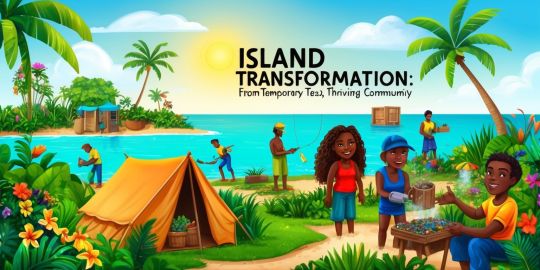
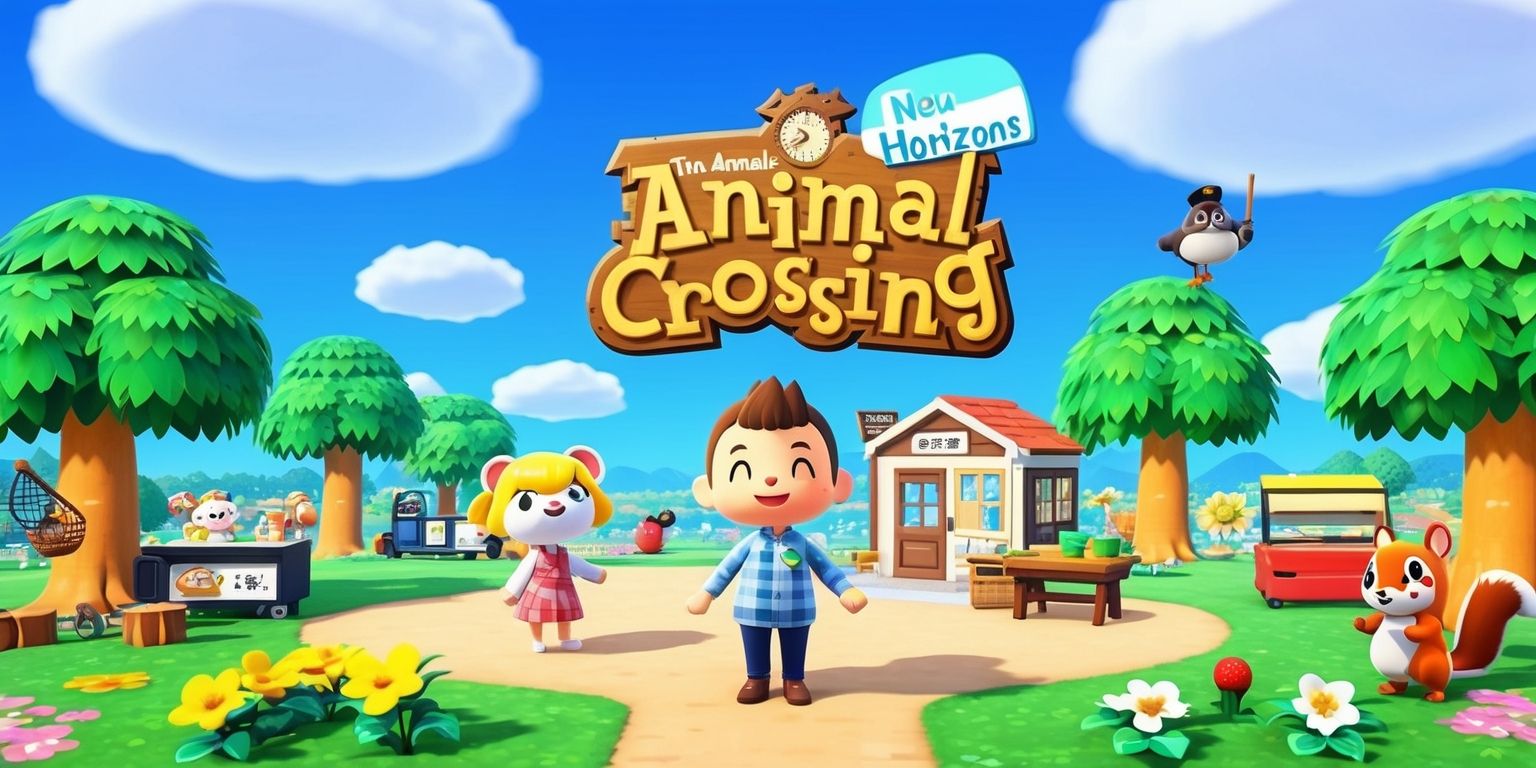
Animal Crossing: New Horizons draws players into a constantly evolving world in which each decision leaves its mark island community. The game’s charm lies in its gradual transformation of a simple, humble beginning into a vibrant and bustling town. Early gameplay introduces the Resident Services tent as a modest hub, but as your island flourishes and the number of villagers grows, it becomes clear that this temporary build-up must evolve. The journey toward a fully operational building is filled with opportunities to enhance your community’s infrastructure, engage with memorable characters, and experience tangible changes that reflect your progress and creativity on the island. Every decision, from incurring small loans to embracing the guidance of wise advisors, enables a deeper immersion into the island life.
Evolution of a Temporary Hub
At the very center of the island’s… transformation is the gradual evolution of the Resident Services from a modest tent into a sturdy Structure centrally situated in the heart of the Feel free to adjust further if needed! island community. Initially, the tent provides basic amenities, but as the island grows and more villagers settle in, the need for enhanced facilities becomes inevitable. The game masterfully uses this transition not Not merely as a narrative landmark, but also as a pivotal juncture in the story a gameplay mechanic that rewards your persistence and investment. As you progress, the humble structure is replaced with a building that is fully equipped to manage community affairs. This evolution illustrates the natural development of a fledgling town into a well-organized destination, reflecting both your in-game progress and the expansive creativity that Animal Crossing offers.
The Financial Commitments and Milestones
Player progression in Animal Crossing: New Horizons is intricately linked with financial decisions that shape the island’s growth. Early in the game, you must address the demands of a growing community by settling your first loan with Tom Nook, paving the way for a more permanent structure. This crucial financial obligation is more than just a monetary transaction; it signifies your readiness to advance from simple shelter to a more established residence. Once this debt is addressed, the subsequent task involves upgrading your living situation and streamlining essential functions such as the shop area in Nook’s Cranny, solidifying the connection between fiscal responsibility and community development. This financial journey has been intricately embedded within the narrative, guaranteeing that progress feels both earned and meaningful.
The Integration of Beloved Community Members
A pivotal development in the island’s transformation is the integration of character staff, most notably through the arrival of a helpful and endearing figure. When the Resident Services building undergoes its upgrade, a familiar face joins the staff, Poised to escort you into a more profound experience of community management. This character not only organizes daily bulletins and communications but also becomes instrumental Here’s one way to rephrase it while keeping the intended meaning: "by attending to the essential requirements and alleviating the apprehensions of the" island’s residents. Their warm presence and insightful advice serve as a bridge between the in-game systems and the player’s own creative strategies, fostering a sense of familiarity and reliability. The addition emphasizes that the island’s growth "doesn't solely focus on physical infrastructure; it also encompasses" the people—both human and animal—who breathe life into every corner of your evolving town.
The Expansion of Infrastructure and Public Spaces
With the completion of the Resident Services building upgrade, players witness tangible changes in their island’s landscape. The transformation is not only "restricted solely to the interior of the building but" also reaches the town square, where the introduction of pavement and a new bulletin board marks a significant visual upgrade. These enhancements reflect meticulous careful strategizing paired with a keen eye for detail empowers players to enjoy both functional improvements and aesthetic upgrades. The creation of public spaces that are both inviting and well-organized transforms the island into a living community hub. As every pathway is upgraded and every detail refined, the island becomes a canvas on which the player’s developmental choices are clearly visible, reinforcing the connection between gameplay decisions and the evolving identity of the town.
The Role of Interactive Systems and Daily Routines
A cornerstone of the game’s engaging design is its emphasis on interactive systems that integrate seamlessly with daily routines. Although some familiar features, like the Nook Stop machine, may be temporarily out of reach during major construction phases, their underlying mechanics continue to benefit dedicated players. For instance, even in the midst of building upgrades, players are rewarded via bonus Nook Miles, ensuring that their ongoing efforts are recognized. The retention of daily streaks—for visiting and engaging with these machines—demonstrates the game’s commitment to consistent rewards and long-term progression. As players continue to check in and part-take in familiar activities, a delicate balance is maintained between immersive construction phases and the comfort of established routines, ensuring that progress feels continuous and engaging.
The Dynamics of Community Integration
As the island flourishes, the arrival of new residents represents another layer of growth and community integration. Players are encouraged to invite three additional characters to join the island, each bringing unique traits and backgrounds that enrich the town’s culture. This step not only increases the "the community's breadth of backgrounds, while also enriching the" player’s involvement in managing complex relationships and interactions. The process requires careful attention to guidelines provided by Tom Nook, highlighting the importance of Consider this revision: "Thoughtful planning and deliberate strategic decision-making. By adopting a" This version maintains the original context while using entirely different wording to express the same idea variety of personalities and skills, the island transforms from a sparse outpost into a vibrant community. Each new resident contributes to the overall stability and liveliness of the town, reiterating that successful development depends on both infrastructure and interpersonal connections.
The Mechanics Behind Daily Rewards
A frequently unrecognized facet of the island’s development involves the intricate reward systems that incentivize regular play. Players who remain diligent with everyday tasks are met with a bonus of additional Nook Miles—a gesture that reinforces the commitment to daily progression. In essence, even though the Resident Services upgrade may temporarily restrict access to certain machines, it does not disrupt the overall momentum of the game. The bonus rewards system is crafted to motivate ongoing participation in routine activities and ensure that progress is recognized despite intermittent adjustments. This approach to game mechanics underscores the importance of consistency and perseverance, blending immediate gratification with the promise of long-term benefits. Each day on the island offers a blend of familiar rituals and new opportunities, making the experience both dynamic and rewarding.
The Aesthetics of Transformation
Visual upgrades are a key element in the evolution of your island, reflecting a thoughtful fusion of functionality and design. With the dismantling of temporary structures, players witness a meticulously planned transformation that breathes new vibrancy into the island setting. The introduction of paved town squares and polished public spaces brings about a noticeable shift in atmosphere, turning the once-simple island into an area that exudes pride and community spirit. Every enhancement—from the upgraded bulletin board to the new resident staff’s welcoming demeanor—is meticulously crafted with a discerning focus on every detail, matching the game’s overall aesthetic appeal. These visual improvements also tie into the narrative, making the transition from a deserted outpost to a thriving haven feel like a natural and satisfying progression.
The Craft of Community Management
Behind the scenic beauty and interactive systems lies the intricate craft of community management. The upgrade from a temporary tent to a permanent Resident Services building opens up new avenues for player involvement in managing the island's affairs. During this phase, players are given tools to address community issues, communicate with residents, and even customize elements such as the town flag and musical tune. This layer of engagement transforms basic administrative tasks into meaningful, story-driven activities. Each decision taken in the management of community affairs hints at the complexity and depth that Animal Crossing has to offer. The game seamlessly integrates elements of planning, customization, and relationship management, ensuring that every facet of island life is both demanding and deeply rewarding.
The Nexus of Functional and Social Interactions
Significant progress in Animal Crossing: New Horizons is marked by the intertwining of functional upgrades with social interactions. In this stage, the Resident Services building not only serves as a hub for administrative functions but also emerges as a social nexus where residents gather to share news and enjoy the ambiance of newly refined spaces. The character tasked with daily announcements frequently reflects on both community highlights and minor concerns voiced by the villagers, reinforcing the feeling of a lively, interconnected neighborhood. This balance between functionality and social engagement is emblematic of the game’s design philosophy, which champions immersive experiences over mere mechanical upgrades. By blending everyday utility with friendly interactions, the game crafts an environment where every resident, and every task, contributes directly to the shared narrative of island life.
The Journey of Continuous Expansion
Animal Crossing: New Horizons celebrates the notion of ongoing progression, inviting players to see every new phase as a step toward a broader horizon. After the transition from a temporary tent to a solid building, the path forward is filled with additional features that gradually redefine the island’s scope. As players add more residents, expand public spaces, and refine everyday routines, the island evolves into a more intricate ecosystem that mirrors real-life community growth. The roadmap is crafted so that each achievement unlocks further possibilities—be it expanded inventory, more customized public areas, or enhanced interactive experiences that build on previous accomplishments. This journey of continuous expansion Not only does it amplify player immersion, but it also accentuates the… beauty of evolving storytelling. Every upgrade serves a dual purpose: functional utility and the celebration of progress, inspiring players to remain committed to nurturing their island’s potential.
Leave a comment
Your comment is awaiting moderation. We save your draft here
0 Comments